Euroglobal New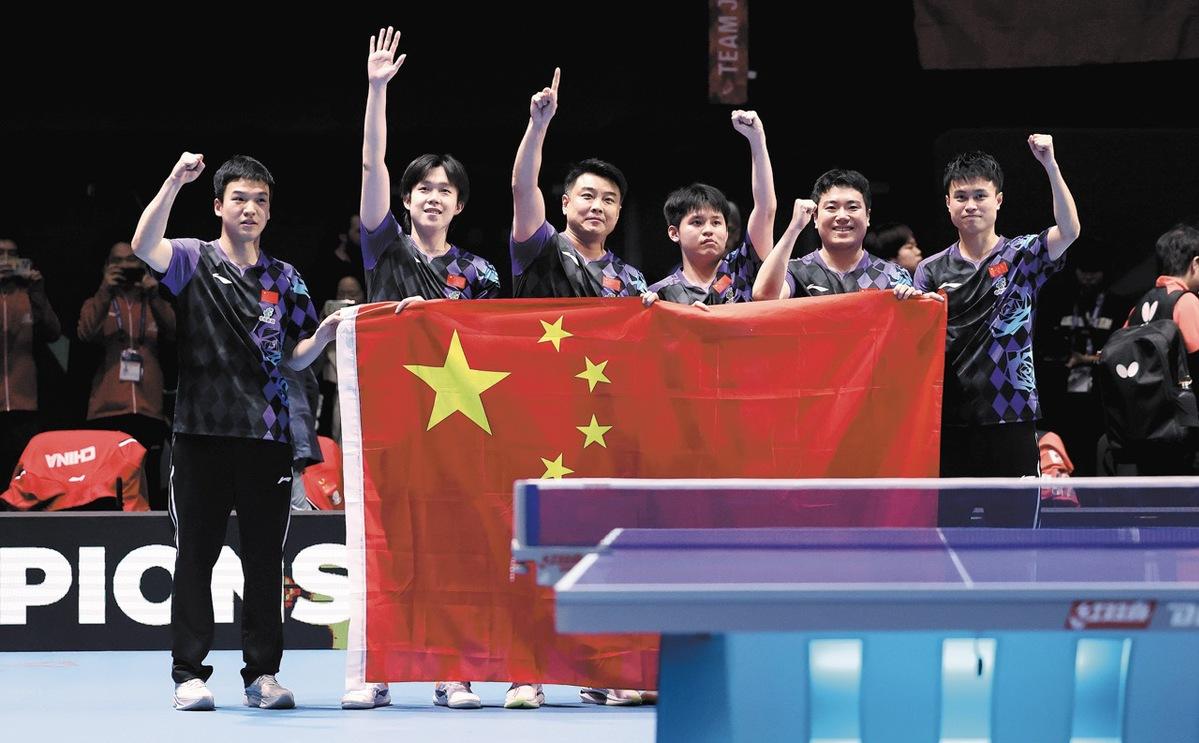
China Daily | September 4, 2026 China's all-conquering table tennis team is expected to continue leading the charge in terms of sporting success at the elite international level over the next five years. [Photo/Xinhua] Being a top medal contender at the Olympics is no longer enough, it seems, as China rolls out a new five-year blueprint to take its overall sporting prowess, on and off the field of play, to new heights. China has reiterated its ambition of becoming a more complete, world-leading sporting nation, articulating its plan in a newly released five-year roadmap for sports development. The plan, which was approved by the State Council and issued by the General Administration of Sport of China on Wednesday, is to not only maintain the country's strong performances at elite competitions, such as the Olympics and various world championships, but also improve the overall physical and mental health of the national populace through more accessible sports participation.
At the core of this new blueprint, a nationwide infrastructure project is tasked with increasing the per-capita area of sporting facilities to four square meters by the end of 2030, up from 3.11 sq m in 2025, while raising the proportion of people taking regular exercise, who take part in sports activities at least three times a week at medium intensity, to around 40 percent of the total population. Sports governing bodies are expected to work with local urban development authorities and property developers to tap into the potential of underused urban spaces, including roadside areas, rooftops and park lawns, to build and renovate at least 5,000 small-scale, mobile and accessible fitness centers or gyms in the next five years, prioritizing their use for the elderly, children and people with disabilities. As inspired as they may be watching the nation's top athletes winning Olympic medals, people's demand for comprehensive and affordable community sports facilities in China is yet to be fully met, while the current imbalance in sports resource distribution between urban and rural areas remains a pressing issue, according to experts.
"The entire plan was developed around one priority, and that is the people's well-being," said Huang Haiyan, a sports industry researcher at Beijing Sport University. "And to meet that growing demand, it's not just about building more facilities. It's more about making sports participation a way of life," said Huang, who's also dean of BSU's school of management.
Source: State Council Information Office