Euroglobal New
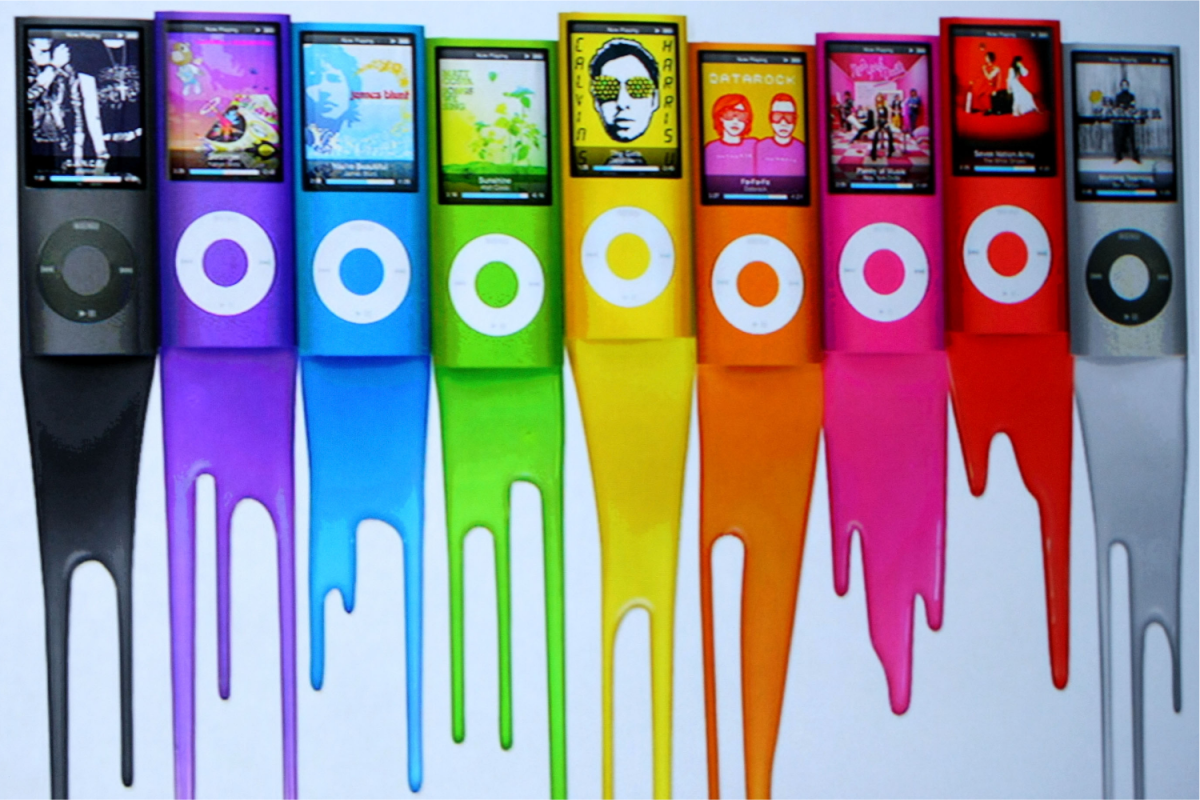
On October 23, 2001, Steve Jobs pulled a small white device from his pocket and promised that listening to music would never be the same again. Twenty-five years later, Apple no longer makes it. But a generation too young to remember its launch is buying, repairing and modifying iPods anyway.
The limitation that helped make the iPod obsolete, that it did little more than play music, has now become part of its appeal for people seeking an escape from permanently connected smartphones. At 23 years old, Lucy was not born when the iPod first hit the shelves. Now, she is the owner of an extensive iPod collection and moderator of Reddit’s r/iPod.
Lucy admitted that she was “late to the iPod bandwagon,” getting her first device in 2021 for her 19th birthday, and marking a generation of iPod users who are deliberately adopting an obsolete technology. For two decades, successive versions of the iPod helped define portable music. But the smartphone gradually erased the need for a separate device dedicated to it.
The death of the iPod was gradual. Apple discontinued the hard-drive, click-wheel iPod classic in 2014 and the nano and shuffle in 2017. The iPod touch survived for another five years.
In May 2022, Apple said the Touch would remain available only “while supplies last,” ending the iPod line altogether. ... Why The iPod Makes Sense Again “The iPod never really stopped being good, it still works, with exceptions, just as well now as it did 25 years ago,” Lucy told Newsweek , explaining her love of the music player. For some younger listeners, the appeal appears to be part of a wider reassessment of how they consume media.
The iPod revival overlaps with growing interest in CDs, vinyl and other ways of listening that give consumers greater control over their collections. Unlike physical media, an iPod remains digital, but it offers some of the same attractions: a finite personal library, local ownership and no need to open a streaming app every time you want to listen. TikTok is littered with videos of young people showing off their adoption of physical media.
Videos that share "a day in the life of someone centering physical media over streaming services like Spotify,” feed on the idea of a desire for ownership of media and stepping away from an “always on” culture back to a simpler, slightly lower-tech time. “Some people need a digital detox,” Lucy said. “Doomscrolling is more prevalent than ever, and to step away from the toxicity of social media and the internet, and sit down and listen to an album or even a song can be really good for people’s mental health.
You don’t need an iPod to do that, but it’s much easier doing that away from a phone.” Lucy isn't alone in wanting greater distance from connected devices. A 2025 The Harris Poll survey for Quad found 81 percent of Gen Z adults said they often wished they could disconnect from devices more easily, compared with 78 percent of millennials. Other iPod users on Reddit's r/iPod describe the decision fatigue of deciding what to listen to on seemingly endless streaming services, alongside a feeling that while they are paying monthly for access to media, everything is held in digital clouds and online—spaces that threaten to disappear at the drop of a hat, or at least the drop of the WiFi.
Nor are standalone music players merely collector's items. Refurbished electronics marketplace Back Market said its iPod sales jumped 48 percent in 2025 compared with the previous year. The company had previously reported average annual growth of 15.6 percent in refurbished iPod sales since 2022.
Meanwhile, a nationally representative Consumer Reports survey in 2025 found that 20 percent of U.S. adults had used a digital music player such as an iPod or Zune at home during the previous year. The iPod Economy Apple Left Behind As demand for iPods rises among a younger audience, tech-minded individuals are filling what is now a gap in the market. Austin Lucas is the owner and operator of Elite Obsolete Electronics, an iPod-focused business in Overland Park, Kansas.
Lucas started the business in 2018 after noticing a gap in the repair market: customers still wanted their iPod Classics fixed, but many repair shops no longer wanted to work on them. He began buying broken Apple devices, repairing and reselling them, eventually expanding into replacement parts, accessories and custom-built iPods. “Everyone who knew how to fix iPods or sold replacement parts or anything iPod related transitioned their businesses from iPod to iPhone...
They followed the money and who could blame them?” Lucas said. ... But more and more, people came to him with iPods they wanted fixing. “When their old iPod breaks, they’re not just going to go on their computer and type in every single song from their iTunes library into Spotify... they’re going to buy or replace an iPod and continue,” he said.
Now, he says, the iPod has turned into “the most customizable music player in history." Buyers can replace aging batteries, swap hard drives for flash storage, increase capacity and choose new cases, colors and other components. Lucas said Elite Obsolete Electronics now processes around 2,500 orders a month, although most are for replacement parts and accessories rather than complete iPods. While enjoying creating iPods for the market that still exists, Lucas explained that he does not use an iPod himself, and neither he nor Lucy believe that Apple will bring back the music player.
“Apple are never going to make another iPod again. There’s no reason to,” Lucas said. While Lucy agreed, adding: “I don’t think Apple will revive the iPod.
Its legacy lives on in the iPhone, AirPods and Apple Watch.” The iPod may therefore never rise again in the most literal sense. But the limitation that smartphones once rendered obsolete, having a device that does little more than play music, is precisely what some users now find valuable. Contact Newsweek editors on this story: Ben Kelly and Emma Lee-Sang
Source: Newsweek